
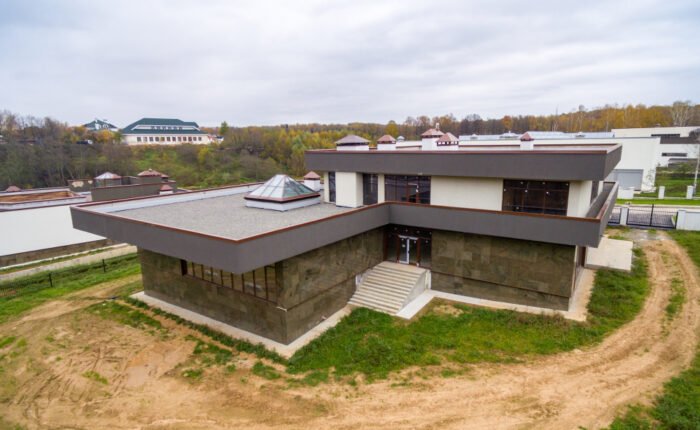
“Great commercial roofs aren’t defined by how they look from the ground—they’re defined by how reliably they protect everything beneath them.”
What Makes Flat Roofing So Popular?
Flat roofing has remained the preferred choice for many commercial buildings because it offers a practical balance of performance, accessibility, and efficiency. Despite the name, these roofs are not completely flat. They are built with a slight slope that directs water toward drains or scuppers, helping manage rainfall effectively while maintaining a streamlined architectural profile. Another major advantage is accessibility. Compared to steep-slope roofing systems, flat roofs make it easier to install and maintain HVAC equipment, solar panels, communication systems, and other rooftop components. Maintenance crews can safely access these systems without many of the challenges associated with steep roof designs. Modern flat roofing systems are also available in several high-performance materials, each suited to different building requirements. Common commercial flat roofing options include:- TPO Roofing – Known for excellent energy efficiency and reflective performance.
- PVC Roofing – Highly resistant to chemicals, grease, and moisture.
- EPDM Roofing – Flexible and durable in varying temperatures.
- Modified Bitumen – Offers outstanding durability for high-traffic roofs.
- Built-Up Roofing (BUR) – A time-tested system designed for long-term protection.
Quick Tip
Don’t evaluate a flat roof based only on the membrane. Drainage design, flashing details, insulation, and installation quality all play equally important roles in long-term performance.
One common misconception is that flat roofs leak more frequently than other roofing systems. In reality, most leaks are caused by deferred maintenance, damaged flashing, poor drainage, or aging materials—not by the flat roof design itself.
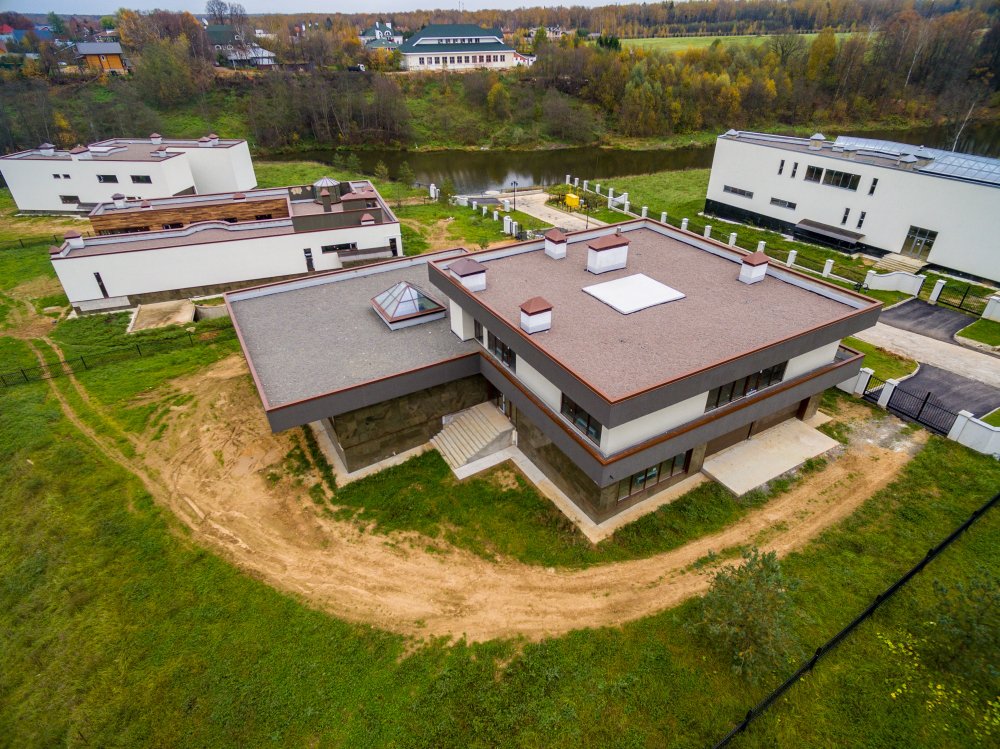
How to Get the Most from a Flat Roofing System
Want your commercial roof to last as long as possible? It starts with proactive care. Like any valuable building asset, a flat roof performs best when it’s inspected regularly and repaired before small concerns become major issues. Routine maintenance doesn’t have to be complicated, but it should be consistent. Professional inspections help identify developing problems long before they interrupt daily operations. Here are several practices that help maximize roof performance:- Schedule roof inspections twice each year.
- Inspect the roof after major storms.
- Keep drains and scuppers clear of debris.
- Monitor flashing around rooftop equipment.
- Repair small membrane damage promptly.
- Maintain accurate roof service records.
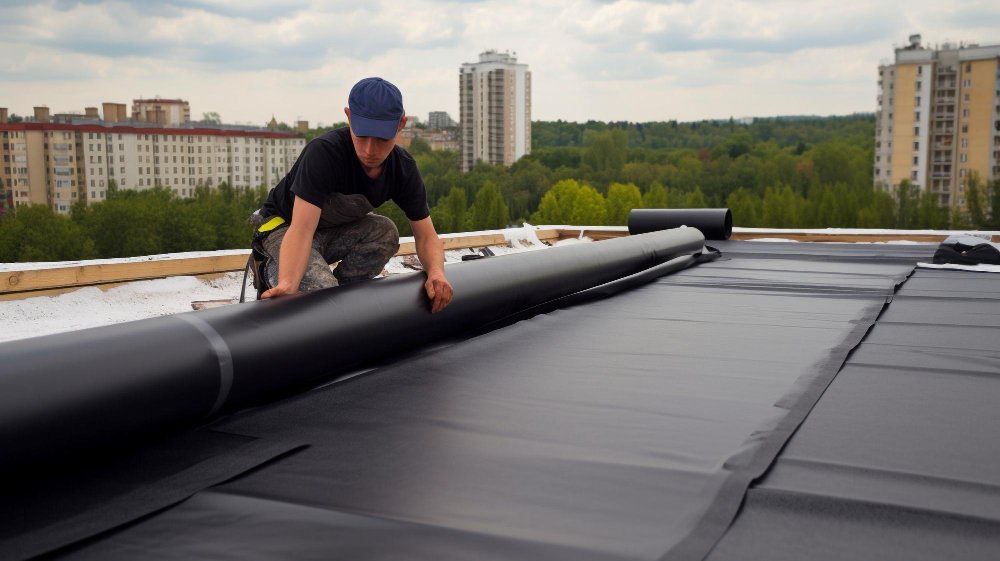

When Is It Time to Repair or Replace a Flat Roof?
Even the highest-quality flat roofing system won’t last forever. The good news is that many roofing issues can be corrected through timely repairs long before a complete replacement becomes necessary. The key is recognizing the warning signs early and acting before minor damage spreads. So, what should you watch for? If your building begins showing signs of water intrusion or your roof has experienced severe weather, it’s a good idea to schedule a professional inspection. A trained roofing specialist can determine whether a targeted repair will restore performance or whether the roof has reached the point where replacement provides better long-term value. Common signs that your flat roof needs professional attention include:- Recurring roof leaks after rain.
- Ponding water that remains for more than 48 hours.
- Cracked, loose, or deteriorating flashing.
- Visible membrane damage or open seams.
- Water stains on ceilings or interior walls.
- A noticeable increase in roof repair frequency.
Read More in Your Realm of Remodels Blog
- Ceramic Tile Flooring Trends Enhancing Modern Interior Design
 Ceramic tile flooring helps homeowners create elegant, durable, and highly functional interiors tailored to contemporary lifestyles. This guide explores tile flooring trends, large-format surfaces, natural textures, and remodeling ideas that improve comfort, sophistication, and long-term property value.
 - Updated Kitchens with Smart Appliances: Luxury Styles and High-End Innovations
 Luxury kitchen design now combines intelligence with artistry. From Cambria quartz to integrated AI appliances, explore how technology and timeless materials create elevated, high-performance spaces.
 - Bathroom Tub Renovation Near Me: Minimalist and Modern Tub Designs
 Minimalist bathrooms focus on clean lines, light tones, and uncluttered layouts. This article highlights tub styles, materials, and layouts that define modern simplicity while maintaining warmth and function. Learn how subtle design choices can elevate your space into a serene retreat.